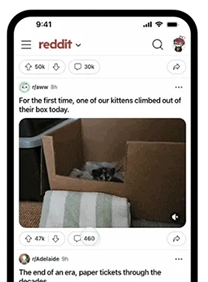
While we once referred to "arts and culture," the term now dominates. This shift reflects the rise of asymmetric platforms like YouTube , TikTok , and Twitch , where a small percentage of users create for a massive, global audience.
"Popular" no longer means "universal." A creator can have five million dedicated followers in a specific subculture without ever crossing over into the mainstream. The Rise of the Creator Economy
Fans develop one-sided emotional bonds with creators (streamers, YouTubers, podcast hosts). This drives loyalty but can lead to unhealthy attachment and exploitation via direct monetization (super chats, exclusive content tiers).
Platforms like Patreon, Substack, and YouTube have enabled individual creators to bypass studios. A solo podcaster can earn $1M/year, while a mid-tier TikToker can make more than a network TV writer. However, the dark side is : one algorithm change can destroy a career overnight.
Would you like to know more about a specific aspect of entertainment content and popular media?
Unpopular opinion: The "content slump" is real. We have access to more entertainment than ever in human history, yet we spend 45 minutes scrolling through Netflix just to re-watch The Office for the 12th time.