Libro Explicando El Dolor David Butler.pdf -
Below is a draft summary of the core content and chapters typically found in the book: 1. The Experience of Pain
If you have searched for the keyword , you are likely a Spanish-speaking patient, a student of physical therapy, or a clinician looking for accessible resources. In this article, we will explore why this book is considered a masterpiece, what concepts it contains, the legal and ethical considerations around its PDF distribution, and how to truly access its wisdom. Libro Explicando El Dolor David Butler.pdf
: Finding "safe" ways to move to improve blood flow and calm the nervous system. 6. The Goal: "Know Pain, No Pain" Below is a draft summary of the core
para que cualquier persona pueda comprender procesos biológicos complejos. Disponibilidad en PDF : Finding "safe" ways to move to improve
Do you know which leg is yours without looking? The brain has a precise map of the body (the homunculus). In chronic pain (e.g., phantom limb pain or CRPS), these maps become blurred, or "smudged." The book provides therapeutic exercises (like left/right discrimination) to clean up the smudging and reduce pain.
One of the book's most significant contributions is its accessibility. Butler and Moseley translate complex neurophysiology—concepts like peripheral sensitization, central sensitization, and cortical remapping—into language that patients can understand. They employ metaphors, illustrations, and humor to demystify the "monster in the closet." This pedagogical approach is not merely informative; it is therapeutic. The authors argue that understanding the biology of pain changes the brain's assessment of threat. When a patient realizes that their chronic back pain is a result of a hyperactive nervous system rather than a crumbling spine, the brain reduces the "danger" rating, thereby lowering the pain output. This process, known as "therapeutic neuroscience education" (TNE), transforms the patient from a passive victim of their anatomy into an active participant in retraining their nervous system.
The PDF version of "Explaining Pain" by David Butler is an invaluable resource for healthcare professionals, patients, and anyone seeking to understand the complexities of pain. By providing a comprehensive overview of the biopsychosocial model, neurobiology of pain, and evidence-based treatment strategies, Butler's book has the potential to transform the way pain is perceived, assessed, and managed. Whether you're a seasoned healthcare professional or simply looking to deepen your understanding of pain, "Explaining Pain" is an essential read that will challenge your perspectives and inspire new insights.

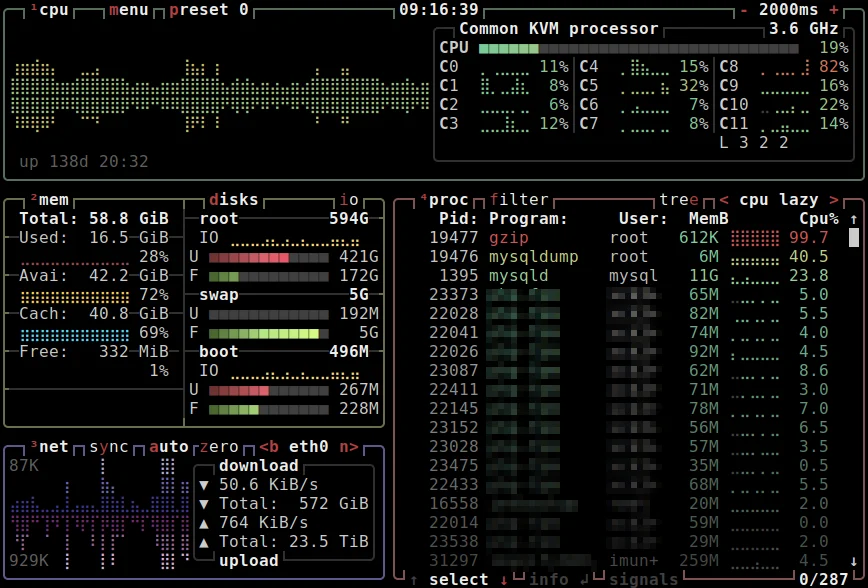
If you want something that you have total control over there’s Linux from scratch Building your own system should be able to be lightweight.
alpine can handle 512 Megs of ram and host some servers on it too ,
,